
Podcast: Addictive Eaters Anonymous
Podcast: Food Junkies
Story: Gotta Have It
How was it then?
A thought of a food would enter my head, and then I knew it was only a matter of time before that food was in my belly. I had no power to stop it. I could maybe delay it for a few hours, or even a day or two. But I knew that eventually, I would eat it.
~ A Food Addict
How is it now?
I don’t really think about food as much now, so food doesn’t pop into my head like it used to. Also, if a food does pop into my head, it doesn’t really bother me. I have a lot of thoughts in a day, and I don’t need to act on all of them. It took some time, but I have learned not to give credence to my thoughts just because I have them. I can’t stop myself from thinking about things, but I can stop myself from acting on random thoughts that pop into my head.
~ A Recovering Food Addict
Inner Voice: Ch-ch-ch-changes
Can people really change?
That depends.
Do you want to change?
This question needs to be about YOU, not about “people”. People can change if they want to. You can change if you want to. Do you really want to change, or are you just hoping that things around you (that are likely out of your control) change, or that the consequences of your unchanging actions change?
You can change if YOU want to.
You can change if you WANT to.
Inner Voice: Too Much Energy
Don’t put too much energy into things. Don’t push yourself so hard that you feel like you are going to break. If you find yourself pushing too hard, ask yourself why. Is it because you left something to the last minute? Is it because you refused to ask for help? Is it because you get some sort of rush from being busy and stressed?
Things don’t have to be so hard. You don’t have to run at 3000 all the time. Try putting less energy into things.
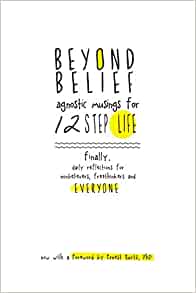
Book: Beyond Belief: Agnostic Musings for 12 Step Life
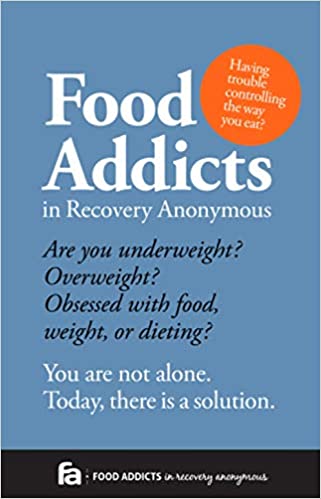
Book: Food Addicts in Recovery Anonymous
Inner Voice: Write Things Down, Then Walk Away
Writing things down helps you to process your feelings.
If someone has made you upset, write a letter to them explaining why you feel that way. Decide at the point of writing that you won’t send it to them so you can just say whatever you want to say and get your feelings off your chest. Once you have written the letter, walk away from it for some time — at least a few hours, or perhaps as much as a day or two. When you read it back later, your feelings about some of the things you have written will likely have changed. You may be surprised at some of the things you have written. You might be surprised at the strength of your anger or disappointment. You might also start to be able to see your own part in the conflict in a different light. Writing a letter and not sending it, but rather walking away from it, can help you figure out what is bothering YOU about the situation so you can decide whether or not YOU can make any changes to help improve the relationship between you and the other person. Do you need to be a better communicator? Do you need to hold your tongue when you only have sharp words to say? Do you need to have better boundaries around that person? Try to figure out what YOU can do rather than spending time deciding how to get the other person to change.
This method can also work if you have too many things to do and you feeling like you are spinning out. Take some time to write down a list of everything that needs to get done. Then, walk away from it for some time. When you return to it, you will probably have gained some perspective on the tasks and will be in a better position to figure out the relative priority of each of the tasks.
Writing things down and then walking away is a powerful way to solve problems by giving yourself the time and space to calm down enough to be able to access your own better intuition.
